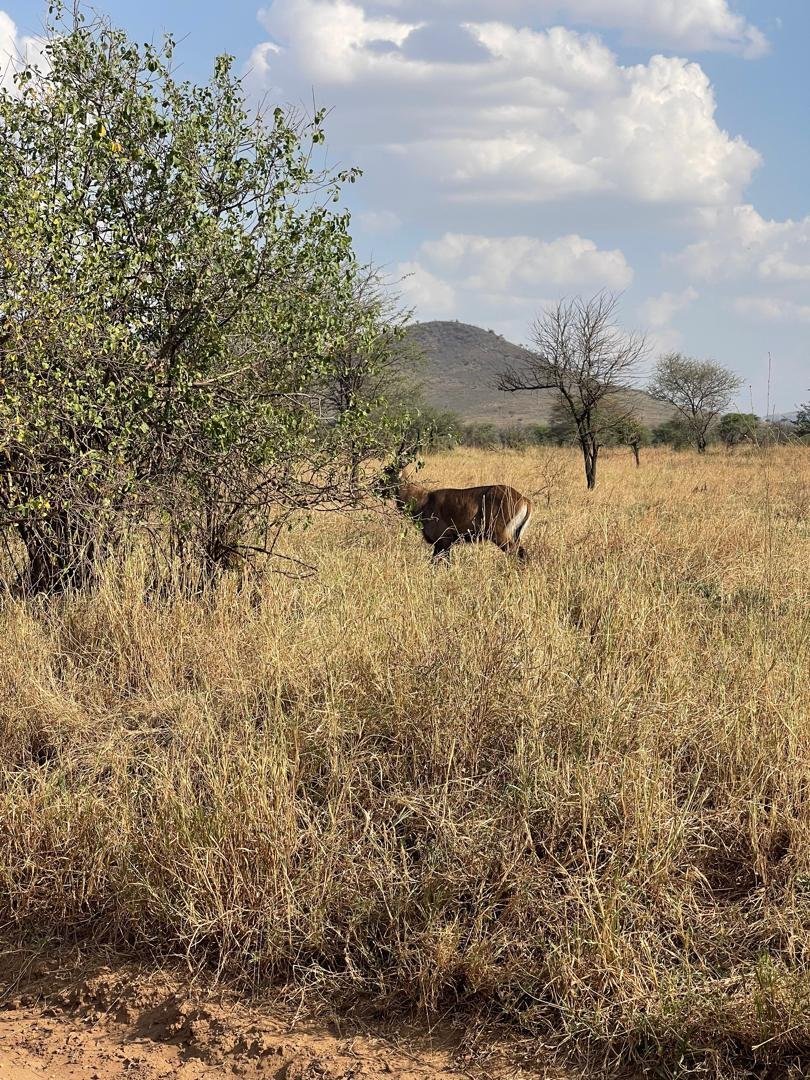
Tanzania Safari GuideDiscover Tanzania’s Wildlife, Landscapes and Unforgettable Safari ExperiencesTanzania is one of Africa’s most extraordinary safari destinations, offering vast savannahs, dramatic volcanic landscapes, ancient forests, seasonal wetlands, spectacular wildlife and some of the world’s most famous conservation areas.
From the endless plains of the Serengeti to the wildlife-rich Ngorongoro Crater, the elephant country of Tarangire and the diverse ecosystems of Lake Manyara, Tanzania offers a remarkable variety of safari experiences within a single destination.
A safari in Tanzania is much more than a search for the Big Five. It is an opportunity to experience wildlife in its natural environment, understand the relationship between people and landscapes, witness seasonal movements of animals and discover the extraordinary ecological diversity of East Africa.
This Tanzania Safari Guide has been prepared by African Landscape Adventures to help you understand what to expect before travelling, how to choose the right safari, when to visit, what to pack and how to travel responsibly.
Why choose Tanzania for a safari?
Tanzania offers an exceptional combination of wildlife, landscapes, conservation areas and cultural experiences.
The country is home to several internationally recognised safari destinations, including the Serengeti National Park, Ngorongoro Conservation Area, Tarangire National Park and Lake Manyara National Park. Tanzania’s northern safari circuit is particularly popular because several major wildlife destinations can be combined into one itinerary.
Tanzania is especially well known for:
- The Great Wildebeest Migration;
- The Serengeti’s vast grasslands;
- The Big Five;
- The Ngorongoro Crater;
- Large elephant populations;
- Iconic baobab landscapes;
- Tree-climbing lions;
- Excellent birdwatching;
- Diverse ecosystems;
- Beautiful sunrises and sunsets;
- Traditional and contemporary Tanzanian cultures; and
- Opportunities to combine safari with Kilimanjaro or Zanzibar.
What is a Tanzania safari?
A safari is a wildlife journey that allows travellers to observe animals and their natural environments, usually from a specially equipped safari vehicle.
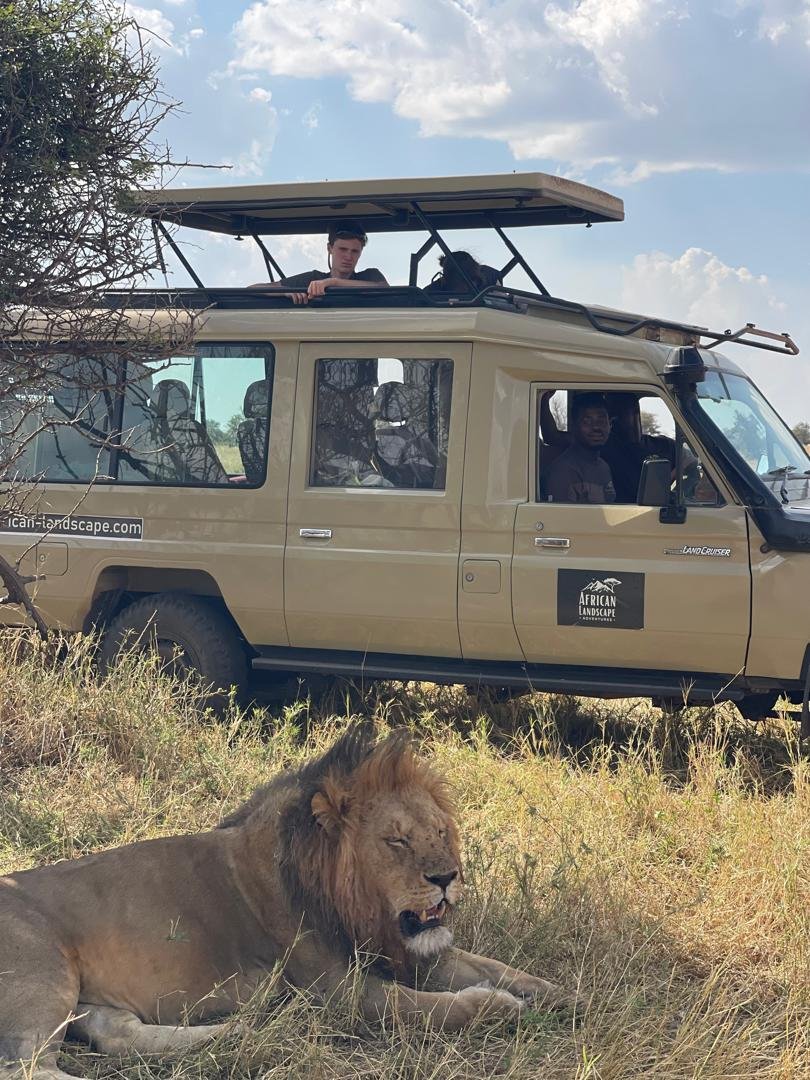
Most traditional Tanzania safaris are conducted in four-wheel-drive vehicles with pop-up or openable roofs that provide excellent visibility for wildlife viewing and photography.
A typical safari day may begin early in the morning when wildlife is active and temperatures are cooler. Depending on the itinerary, guests may return to their lodge or camp for lunch and relaxation before an afternoon game drive.
Some itineraries operate as full-day game drives with a packed lunch, allowing guests to spend more time exploring the park.
How does a safari work?
Before your safari begins, your guide will normally meet you at your hotel, airport or agreed meeting point.
Your safari vehicle will then take you between destinations according to the itinerary. Your professional driver-guide will manage the route, explain the wildlife and landscapes you encounter, and help identify animals.
Game drives are not simply about driving around looking for animals. Experienced guides read tracks, animal behaviour, vegetation, weather conditions and other signs to increase the chances of meaningful wildlife encounters.
Because Tanzania’s wildlife is free-roaming, sightings can never be guaranteed. This unpredictability is part of what makes a safari a genuine wilderness experience.
The northern Tanzania safari circuit
The northern safari circuit is the most popular safari region for many international visitors.
It allows travellers to combine several major destinations, often beginning in Arusha or Moshi and continuing towards Tarangire, Lake Manyara, Ngorongoro and Serengeti.
The exact order depends on the length of the trip, season, accommodation availability and the guest’s interests.
A typical northern circuit safari may include:
- Tarangire National Park;
- Lake Manyara National Park;
- Ngorongoro Conservation Area;
- Serengeti National Park;
- Ndutu and the southern Serengeti during suitable seasons;
- Lake Eyasi;
- Lake Natron; and
- Other destinations depending on the itinerary.
Serengeti National Park
The Serengeti is one of Tanzania’s most famous wildlife destinations and the centrepiece of many northern Tanzania safaris.
The landscape is characterised by vast grasslands, acacia woodlands, rocky kopjes, rivers and seasonal water sources.
The park is particularly famous for the Great Wildebeest Migration, but it is an excellent safari destination throughout the year.
Wildlife commonly encountered in the Serengeti includes:
- Wildebeest;
- Zebra;
- Gazelles;
- Lions;
- Leopards;
- Cheetahs;
- Elephants;
- Buffalo;
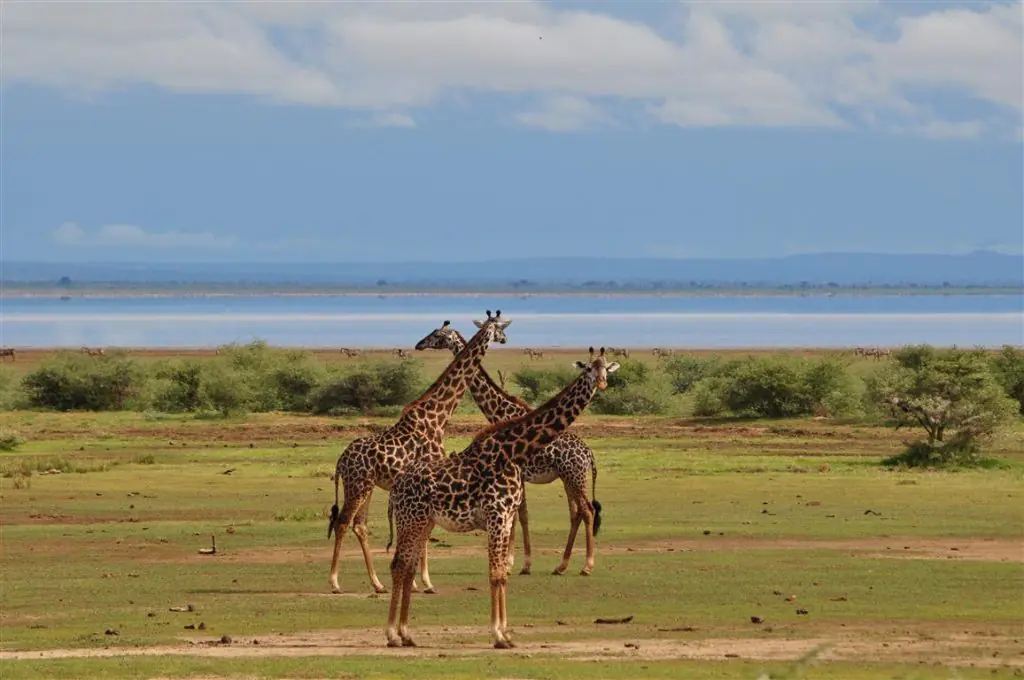
- Giraffes;
- Hippos;
- Hyenas;
- Warthogs;
- Antelopes; and
- Hundreds of bird species.
The Serengeti is particularly rewarding for travellers who want expansive landscapes, predators, large herds and the possibility of witnessing dramatic wildlife interactions.
The Great Wildebeest Migration
The Great Wildebeest Migration is one of the world’s most remarkable wildlife spectacles.
It involves the movement of enormous numbers of wildebeest, accompanied by large numbers of zebra and other grazing animals, through the Serengeti ecosystem and across the wider Tanzania-Kenya migration landscape.
The migration does not follow a fixed calendar. Its movement is influenced by rainfall, grass availability, water and ecological conditions.
For this reason, choosing a migration safari should be based on the expected location of the herds rather than simply choosing a month without considering the wider seasonal pattern.
Different periods can offer very different experiences, including calving in the southern Serengeti and Ndutu area, large herd movements across the central Serengeti and river-crossing opportunities in northern Serengeti.
Migration and river crossings
River crossings are among the most famous images associated with the Great Migration.
However, river crossings are natural wildlife events and cannot be guaranteed on a specific day or at a specific location.
Animals may remain on one side of a river for hours or days before crossing, and they may change direction without warning.
A responsible safari operator should therefore avoid promising a guaranteed river crossing and should instead focus on positioning guests in areas where the herds are most likely to be found.
Ngorongoro Conservation Area
The Ngorongoro Conservation Area is one of Tanzania’s most distinctive protected landscapes.
It combines wildlife conservation, dramatic volcanic scenery, archaeological significance and human habitation.
The Ngorongoro Crater is the largest intact and unfilled volcanic caldera and is famous for its high concentration of wildlife, including members of the Big Five.
The wider conservation area contains much more than the crater itself, including highland forests, grasslands, volcanic features, archaeological sites and important wildlife habitats.
Wildlife commonly encountered in the Ngorongoro area includes:
- Lions;
- Elephants;
- Buffalo;
- Rhinos;
- Leopards;
- Wildebeest;
- Zebra;
- Gazelles;
- Hyenas;
- Hippos;
- Flamingos and other birds; and
- Many other species.
The Ngorongoro Conservation Area also contains important wildlife corridors and migration routes connecting different ecosystems.
Ngorongoro Crater safari
A crater game drive is usually one of the highlights of a northern Tanzania safari.
The descent into the crater provides spectacular views before the vehicle reaches the crater floor, where grasslands, wetlands, lakes and woodland habitats support a wide variety of wildlife.
Because the crater is a relatively compact environment with abundant wildlife, it can provide excellent opportunities for travellers who want to see many different species within a single game drive.
Guests should nevertheless remember that wildlife remains wild and sightings cannot be guaranteed.
Tarangire National Park
Tarangire National Park is particularly famous for elephants, baobab trees and its seasonal concentration of wildlife.
The park’s landscape includes open grasslands, woodlands, river systems and iconic baobab trees.
TANAPA highlights Tarangire’s elephant concentrations and distinctive baobab landscapes as some of its defining attractions.
Wildlife commonly seen in Tarangire includes:
- Elephants;
- Zebra;
- Wildebeest;
- Buffalo;
- Giraffes;
- Lions;
- Leopards;
- Cheetahs in suitable areas;
- Antelopes;
- Warthogs;
- Baboons and other primates; and
- A wide variety of birds.
Tarangire can be particularly rewarding during the dry season when wildlife concentrates around permanent water sources.
Lake Manyara National Park
Lake Manyara National Park is a compact but ecologically diverse destination situated along the Great Rift Valley.
The park includes groundwater forests, open woodland, grassland, wetlands and the alkaline lake itself. TANAPA describes the park as being especially known for its tree-climbing lions, groundwater forests and birdlife.
Wildlife and attractions may include:
- Elephants;
- Lions;
- Giraffes;
- Buffalo;
- Zebra;
- Baboons;
- Blue monkeys;
- Hippos;
- Flamingos and other waterbirds;
- Tree-climbing lions; and
- A large variety of bird species.
Lake Manyara is also home to a canopy walkway that provides an elevated perspective of the forest environment.
Other safari destinations in Tanzania
Tanzania’s safari opportunities extend well beyond the most famous northern circuit.
Depending on the type of experience you are looking for, other destinations may include:
- Nyerere National Park;
- Ruaha National Park;
- Mikumi National Park;
- Katavi National Park;
- Mahale Mountains National Park;
- Arusha National Park;
- Saadani National Park;
- Udzungwa Mountains National Park;
- Selous ecosystem areas; and
- Other protected areas and wildlife reserves.
The southern and western safari regions can offer a more remote and less conventional safari experience, while the northern circuit is generally easier to combine with Kilimanjaro and Zanzibar.
How long should a Tanzania safari be?
The ideal safari length depends on your interests, budget, travel dates and the number of destinations you want to visit.
A short safari can provide a taste of Tanzania’s wildlife, while a longer safari allows more time for different ecosystems and a slower pace.
Common safari durations include:
- 2 to 3 days: Suitable for travellers with limited time who want a short wildlife experience.
- 4 to 5 days: A good introduction to several northern circuit destinations.
- 6 to 8 days: Allows a more comprehensive northern Tanzania experience.
- 9 to 12 days: Suitable for travellers who want more time in the Serengeti and additional destinations.
- Two weeks or longer: Suitable for combining several safari regions with cultural, mountain or beach experiences.
How to choose the right safari itinerary
The best safari itinerary is not necessarily the longest or most expensive one.
Your itinerary should be designed around what you want to experience.
Consider:
- How many days you have available;
- Your preferred travel season;
- Wildlife species you most want to see;
- Your interest in the Great Migration;
- Your accommodation preference;
- Your budget;
- Whether you prefer private or group travel;
- Your preferred travel pace;
- Whether you want cultural experiences;
- Whether you want to combine safari with Kilimanjaro; and
- Whether you want to finish your trip in Zanzibar.
Private safari or group safari?
A private safari gives you greater flexibility because the vehicle and itinerary are generally dedicated to your travelling party.
You can often discuss your preferred departure times, photography stops, pace and interests directly with your guide.
A group safari can be more economical and can provide the opportunity to meet other travellers.
The best choice depends on your budget, travel style and preferred level of flexibility.
Luxury, mid-range and budget safaris
Tanzania offers safari accommodation at different price levels.
Luxury safaris may include high-end lodges, permanent luxury tented camps, premium locations, private dining and additional personalised services.
Mid-range safaris offer a balance between comfort, location, service and price and are suitable for many travellers.
Budget safaris can use simpler lodges, guesthouses, tented accommodation or campsites depending on the itinerary and availability.
Accommodation standards vary significantly, so guests should review what is included in their quotation rather than choosing a safari based solely on the number of stars.
Safari accommodation
Accommodation can be an important part of the safari experience.
Depending on your itinerary, you may stay in:
- Safari lodges;
- Luxury tented camps;
- Permanent tented camps;
- Mobile camps;
- Hotels;
- Guesthouses; or
- Public or private campsites.
Some properties are located inside protected areas, while others are situated outside park boundaries.
The location of accommodation can affect the amount of time available for game drives, so this should be considered when comparing itineraries.
What is included in a typical safari?
Inclusions vary according to the safari package, but a typical private safari may include:
- Private 4×4 safari vehicle;
- Professional safari driver-guide;
- Accommodation according to the itinerary;
- Meals according to the accommodation plan;
- Park entry fees where stated;
- Conservation or applicable government fees where stated;
- Game drives;
- Airport or hotel transfers where included;
- Drinking water during game drives where specified; and
- Government taxes and service charges where stated.
Always check your quotation carefully because inclusions differ between safari packages.
What is normally excluded?
Unless specifically included in your quotation, the following are commonly excluded:
- International flights;
- Visa fees;
- Travel insurance;
- Personal expenses;
- Alcoholic and premium drinks;
- Laundry;
- Tips and gratuities;
- Souvenirs;
- Optional activities;
- Private medical expenses;
- Additional accommodation outside the itinerary;
- Additional transfers; and
- Anything not specifically listed under inclusions.
The best time to go on safari in Tanzania
Tanzania is a year-round safari destination, but different seasons offer different experiences.
Rather than asking whether one month is universally the “best” time, it is more useful to ask what type of safari experience you want.
Dry season
The dry season generally offers excellent wildlife-viewing conditions in many safari areas.
As water becomes less widely available, animals may concentrate around rivers, lakes and permanent water sources.
Vegetation can also become less dense, which may make some wildlife easier to spot.
Dry-season conditions can be particularly attractive for travellers interested in general game viewing and photography.
Wet season
The wet season brings greener landscapes, fresh vegetation, migratory birds and, in many areas, fewer visitors.
Short rains and longer rains occur at different times of the year, and patterns can vary from season to season.
Rain does not necessarily mean that a safari will be unsuccessful. In fact, many travellers find the green landscapes, dramatic skies, newborn animals and excellent birdlife especially rewarding.
Calving season
The southern Serengeti and Ndutu region can become especially important during the wildebeest calving period.
This period can offer opportunities to observe newborn wildebeest and predator activity associated with the abundance of young animals.
Exact conditions vary each year because wildlife movements depend on rainfall and pasture conditions.
What are the Big Five?
The term “Big Five” traditionally refers to:
- Lion;
- Leopard;
- Elephant;
- African buffalo; and
- Rhinoceros.
The term originally became associated with the difficulty and danger of hunting these animals. Today, safari tourism uses the term primarily in the context of wildlife observation and photography.
Seeing all five on one safari is possible but should never be guaranteed.
Other animals you may see
Tanzania’s wildlife experience goes far beyond the Big Five.
Depending on the destination and season, guests may encounter:
- Wildebeest;
- Zebra;
- Cheetahs;
- Giraffes;
- Hippopotamuses;
- Hyenas;
- Warthogs;
- Impala;
- Thomson’s gazelles;
- Grant’s gazelles;
- Elands;
- Topi;
- Ostriches;
- Baboons;
- Monkeys;
- Jackals;
- Antelopes;
- Crocodiles;
- Flamingos; and
- Many other bird and wildlife species.
Birdwatching on safari
Tanzania is also an excellent destination for birdwatchers.
Birdlife varies according to habitat, season and location.
Even travellers who are not dedicated birdwatchers may enjoy seeing colourful species, large raptors, vultures, storks, flamingos, hornbills, kingfishers and other birds during game drives.
If birdwatching is an important part of your trip, tell us when planning your safari so that the itinerary and guide can be selected accordingly.
Safari photography
Tanzania provides exceptional opportunities for wildlife photography.
A useful camera setup may include:
- A camera or high-quality smartphone;
- A telephoto or zoom lens for distant wildlife;
- Extra batteries;
- Memory cards;
- Lens cleaning equipment;
- Binoculars;
- Power bank;
- Charging cables; and
- A protective bag for dust.
A longer lens is especially useful for photographing animals without disturbing them or requiring the vehicle to approach too closely.
Safari binoculars
Binoculars are strongly recommended even if you are travelling primarily for photography.
They can help you observe animals that are far from the vehicle and identify birds, distant predators and other details that may not be obvious to the naked eye.
What should you wear on safari?
Safari clothing should be comfortable, practical and suitable for changing temperatures.
Recommended clothing includes:
- Lightweight trousers;
- Comfortable shirts or T-shirts;
- Long-sleeved shirts for sun and insect protection;
- A lightweight fleece or jacket for cool mornings;
- Comfortable walking shoes;
- Sun hat or wide-brimmed hat;
- Sunglasses;
- Light rain jacket during wetter periods; and
- Neutral or natural-coloured clothing where practical.
There is generally no need to dress in full military-style safari clothing. Comfort and practicality are more important.
What to pack for a Tanzania safari
A practical safari packing list may include:
- Passport;
- Visa or travel documentation where required;
- Travel insurance documents;
- Flight information;
- Lightweight clothing;
- Warm layer or fleece;
- Rain jacket;
- Comfortable shoes;
- Sun hat;
- Sunglasses;
- Sunscreen;
- Insect repellent;
- Personal medication;
- Small first-aid supplies;
- Binoculars;
- Camera and accessories;
- Power bank;
- Universal travel adapter;
- Reusable water bottle;
- Small daypack;
- Personal toiletries;
- Hand sanitiser;
- Wet wipes;
- Small flashlight or headlamp; and
- Copies of important travel documents.
How much luggage should you bring?
The appropriate luggage allowance depends on your itinerary and whether domestic flights are included.
Safari vehicles generally have more flexibility than small aircraft, while internal flights may have strict baggage restrictions.
If your safari includes a domestic flight, confirm the airline’s current baggage allowance before travelling.
Soft-sided luggage is often more practical than large hard-shell suitcases for safari vehicles and smaller aircraft.
Safari vehicle
African Landscape Adventures uses safari vehicles designed to provide comfort, visibility and practicality during wildlife viewing.
A typical safari vehicle may include:
- Four-wheel-drive capability;
- Pop-up or openable roof;
- Large viewing windows;
- Comfortable seating;
- Charging facilities depending on the vehicle;
- Refrigerated or cool storage depending on the vehicle;
- Drinking water where included; and
- Space for safari equipment and luggage.
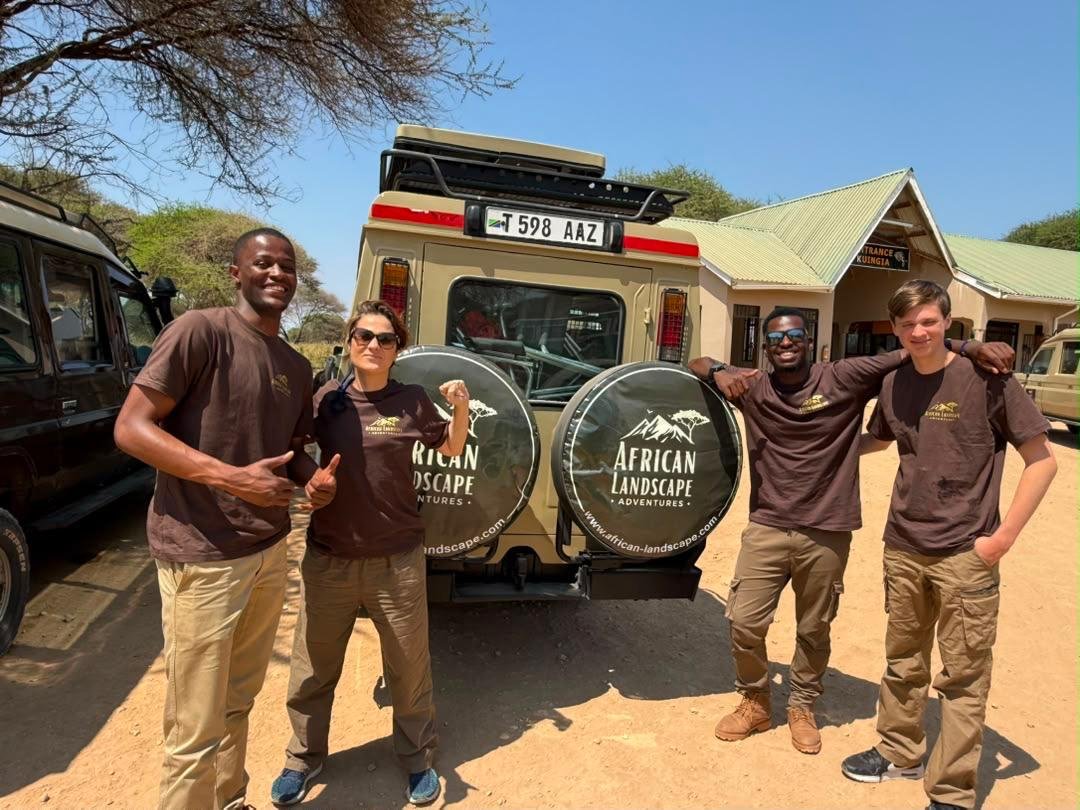
Your safari guide
Your driver-guide is one of the most important people on your safari.
A knowledgeable guide can help you understand wildlife behaviour, identify species, interpret tracks and signs, explain ecosystems and provide information about Tanzanian culture and conservation.
Our guides also play an important role in maintaining safety and ensuring that guests respect park regulations.
Safari safety
Wild animals are unpredictable and should always be treated with respect.
Guests should follow their guide’s instructions at all times.
Important safety rules include:
- Remain inside the vehicle unless your guide confirms that it is safe to leave;
- Never approach wild animals on foot;
- Do not feed wildlife;
- Do not make unnecessary loud noises;
- Do not attempt to attract animals;
- Keep hands and body parts inside the vehicle when appropriate;
- Follow park speed limits and regulations;
- Keep food secure around monkeys and other animals; and
- Always follow your guide’s instructions.
TANAPA visitor guidance similarly emphasises following guide instructions and observing wildlife responsibly.
Staying safe around elephants
Elephants are powerful wild animals and should never be approached or intentionally disturbed.
If an elephant approaches the vehicle, remain calm and follow the guide’s instructions.
Do not attempt to get closer simply to obtain a photograph.
Staying safe around hippos
Hippos can be extremely dangerous despite spending much of their time in water.
Guests should never approach hippos on foot unless they are in a designated and properly supervised area.
Always follow the instructions of your guide or ranger near rivers, lakes and hippo pools.
Malaria and mosquito protection
Mosquitoes can occur in many parts of Tanzania, particularly around water and during wetter periods.
Guests should discuss appropriate malaria prevention with a qualified healthcare professional before travelling.
Practical precautions may include:
- Using insect repellent;
- Wearing long sleeves and trousers in the evening;
- Sleeping under a mosquito net where provided; and
- Following professional medical advice regarding malaria prevention.
Food and drinking water
Safari accommodation generally provides meals designed for international travellers, with local and international dishes available depending on the property.
Guests with allergies, dietary restrictions or special food requirements should inform African Landscape Adventures before arrival.
Drinking water arrangements vary by safari package. Where bottled or refillable drinking water is included, this will be specified in the itinerary or quotation.
Vegetarian, vegan and special diets
Vegetarian and other dietary requirements can generally be accommodated when communicated in advance.
Guests should provide accurate information about allergies and serious dietary restrictions before the safari begins.
Early communication allows accommodation providers and our operations team to prepare appropriately.
Internet and mobile connectivity
Mobile and internet connectivity varies considerably across Tanzania’s safari areas.
Some lodges and camps provide Wi-Fi, while remote camps may have limited or no reliable internet access.
Mobile coverage can also disappear completely in remote areas.
A safari should therefore be approached as an opportunity to disconnect from constant connectivity and focus on the natural environment.
Electricity and charging
Most lodges and camps provide electricity or charging facilities, although remote camps may have limited charging hours.
Guests should bring a power bank and suitable travel adapter, particularly when carrying camera equipment and multiple electronic devices.
Money and payments
The Tanzanian Shilling is the country’s official currency.
US dollars are also widely used within the tourism industry, particularly for certain tourism services and international traveller payments.
Guests should carry some small amounts of cash for tips, small purchases and situations where card payments are unavailable.
Credit and debit cards are accepted at many hotels, lodges and tourism businesses, although availability can vary.
Tipping on safari
Tipping is customary in the Tanzanian tourism industry and is generally a way of recognising good service.
Tips may be given to:
- Safari driver-guides;
- Camp and lodge staff;
- Mountain guides;
- Porters;
- Cooks; and
- Other staff who provide direct service.
Tipping amounts are personal and should reflect the quality of service, length of the trip and your individual budget.
Guests should not feel pressured to give an amount they cannot comfortably afford.
Photography and local people
Tanzania’s landscapes and communities provide many photographic opportunities.
However, guests should always respect people’s privacy and dignity.
Ask permission before photographing identifiable individuals, particularly children and people in communities.
Your guide can help explain appropriate local etiquette.
Responsible tourism and wildlife etiquette
African Landscape Adventures encourages responsible safari behaviour.
Guests should:
- Never feed wild animals;
- Never chase animals for photographs;
- Never throw objects at wildlife;
- Keep noise to a minimum;
- Remain on authorised roads and tracks;
- Never remove plants, rocks or natural objects;
- Take rubbish with them or dispose of it correctly;
- Respect local communities;
- Follow park regulations; and
- Listen to the safari guide.
Responsible travel and conservation
Tanzania’s wildlife and landscapes depend on effective conservation and responsible tourism.
Tourism contributes to the economy and helps create incentives for conservation, while protected areas provide important habitats for wildlife.
African Landscape Adventures supports responsible tourism practices that respect Tanzania’s conservation authorities, protected areas and local communities.
Visiting local communities
Community visits can provide valuable opportunities to learn about Tanzanian culture and livelihoods.
Guests should approach these experiences with respect and curiosity rather than treating communities as attractions.
Appropriate behaviour includes listening, asking permission before taking photographs, respecting local customs and purchasing products or services fairly.
Safari with children
Tanzania can be an excellent family safari destination.
However, parents should consider the length of game drives, travel times, accommodation facilities, age restrictions and the interests of their children.
Some lodges and activities have minimum-age requirements, so these should be checked before booking.
Families should also ensure that children understand the importance of remaining quiet and following the guide’s safety instructions around wildlife.
Safari for honeymooners
Tanzania is an excellent destination for a romantic safari.
Honeymoon experiences can combine wildlife viewing with private accommodation, romantic dinners, scenic locations, cultural experiences and a beach stay in Zanzibar.
A popular combination is a private safari followed by several days on the Tanzanian coast or Zanzibar.
Combining safari with Kilimanjaro
Travellers who want both mountain adventure and wildlife can combine a Kilimanjaro climb with a Tanzania safari.
A typical combination may include:
- Kilimanjaro climb;
- Recovery day;
- Tarangire safari;
- Ngorongoro Crater;
- Serengeti National Park; and
- Zanzibar beach holiday.
The exact sequence should be adjusted according to available time, fitness, flight schedules and the traveller’s preferences.
Combining safari with Zanzibar
Zanzibar is a popular extension to a Tanzania safari.
After several days of game drives, travellers can continue to Zanzibar for beaches, Stone Town, cultural experiences, marine activities and relaxation.
A safari-and-Zanzibar combination can be tailored to different trip lengths and budgets.
Airport arrival and safari transfers
Many international visitors begin their Tanzania journey at Kilimanjaro International Airport or Julius Nyerere International Airport.
Depending on your itinerary, you may also arrive through Zanzibar’s Abeid Amani Karume International Airport.
African Landscape Adventures can arrange airport transfers and coordinate arrival logistics according to the confirmed itinerary.
Visa and entry requirements
Entry and visa requirements depend on your nationality and the purpose of travel.
Travellers should check the latest official Tanzanian immigration requirements before departure and ensure that their passport is valid for the required period.
Visa requirements can change, so guests should verify current requirements close to their travel date rather than relying on old travel information.
Travel insurance
Travel insurance is strongly recommended for every Tanzania safari.
A suitable policy should ideally cover medical expenses, emergency evacuation, trip cancellation, trip interruption, baggage problems, travel delays and other relevant risks.
Guests participating in Kilimanjaro or other adventure activities should ensure that their policy specifically covers those activities.
When should you book your safari?
Booking early is recommended for peak travel periods, particularly when travellers want specific lodges, camps, room categories or migration locations.
Early booking is especially useful for:
- July to October travel;
- Christmas and New Year periods;
- Honeymoon trips;
- Luxury accommodation;
- Private safari vehicles;
- Migration-focused itineraries; and
- Trips combining safari with Kilimanjaro or Zanzibar.
Last-minute safaris may still be possible, depending on accommodation and vehicle availability.
How much does a Tanzania safari cost?
Safari prices vary significantly depending on the duration, accommodation level, number of travellers, season, vehicle type, destinations and activities included.
The main factors affecting price include:
- Number of safari days;
- Private or group travel;
- Accommodation category;
- Number of travellers;
- Park and conservation fees;
- Vehicle and guide arrangements;
- Domestic flights;
- Season;
- Special activities;
- Luxury services; and
- Additional transfers or accommodation.
A responsible comparison should therefore consider the complete package rather than comparing only the headline price.
Why safari prices vary by season
Accommodation demand, park fees, availability and wildlife patterns can change throughout the year.
Peak travel periods can have higher accommodation rates and greater demand for vehicles and popular camps.
Green-season travel may offer attractive landscapes and potentially lower accommodation rates at some properties, although conditions vary between destinations and suppliers.
Safari park fees and conservation charges
National parks and conservation areas have official fees and tariffs that vary according to the destination, visitor category, age, residency status, vehicle and activity.
TANAPA publishes official park tariffs for its national parks, while the Ngorongoro Conservation Area Authority manages fees and tourism services within the Ngorongoro Conservation Area.
Your safari quotation should clearly indicate which park fees, conservation fees and government charges are included.
How far in advance should you plan?
For a standard safari, planning several months in advance is generally advisable.
For high-season travel, migration-focused trips, luxury camps, honeymoon safaris or complex itineraries, earlier planning provides more accommodation and itinerary choices.
What makes a good safari company?
When choosing a safari operator, consider more than price.
Look for:
- Clear communication;
- Transparent quotations;
- Experienced guides;
- Well-maintained safari vehicles;
- Appropriate insurance and licensing;
- Clear cancellation conditions;
- Responsible tourism practices;
- Reliable accommodation partners;
- Emergency support;
- Local knowledge;
- Good guest reviews and references; and
- A clear understanding of what is included and excluded.
Why travel with African Landscape Adventures?
African Landscape Adventures is a Tanzania-based travel company specialising in personalised experiences across Tanzania.
Our team combines local knowledge with a focus on personalised service, responsible travel and carefully planned itineraries.
We offer:
- Private Tanzania safaris;
- Group joining safaris;
- Luxury and mid-range safari experiences;
- Kilimanjaro climbs;
- Mount Meru trekking;
- Zanzibar holidays;
- Honeymoon safaris;
- Airport transfers;
- Cultural and local experiences; and
- Tailor-made Tanzania adventures.
Tailor-made Tanzania safaris
Every traveller has different interests, time constraints and expectations.
A tailor-made safari allows the itinerary to be designed around your priorities rather than selecting a fixed package.
We can help tailor your trip around wildlife, photography, migration, family travel, honeymoon experiences, luxury accommodation, adventure, culture or relaxation.
Sample safari combinations
Some popular itinerary combinations include:
- 3-day safari: Tarangire, Ngorongoro and Lake Manyara.
- 4-day safari: Tarangire, Ngorongoro and Serengeti.
- 5-day safari: Tarangire, Serengeti, Ngorongoro and Lake Manyara.
- 7-day safari: Tarangire, Ngorongoro and several days in the Serengeti.
- 8-day migration safari: Serengeti and selected migration areas combined with Ngorongoro or other northern circuit destinations.
- Safari and Kilimanjaro: Mountain trekking followed by a wildlife safari.
- Safari and Zanzibar: Wildlife safari followed by a tropical beach holiday.
These are examples only. Your itinerary can be adjusted according to your travel dates, interests and budget.
Responsible safari behaviour
Every visitor has a role to play in protecting Tanzania’s natural heritage.
During your safari, please remember:
- Wild animals are not pets;
- Keep a respectful distance from wildlife;
- Never feed animals;
- Do not litter;
- Do not remove natural objects;
- Respect park regulations;
- Respect local people and communities;
- Follow your guide’s instructions; and
- Leave Tanzania’s wilderness as you found it.
Frequently asked questions about Tanzania safaris
Is Tanzania safe for safari?
Tanzania is an established safari destination with professional tourism operators, protected areas, lodges, camps and experienced guides. Guests should nevertheless follow normal travel precautions and always follow their guide’s instructions around wildlife.
Can I see the Big Five in Tanzania?
Yes. Tanzania provides opportunities to see lion, leopard, elephant, buffalo and rhinoceros. However, wildlife sightings are never guaranteed because animals move freely through their natural habitats.
Is Tanzania good for first-time safari travellers?
Yes. Tanzania is an excellent destination for first-time safari travellers because it offers a wide variety of wildlife destinations, accommodation styles and safari durations.
Can I combine Tanzania safari with Zanzibar?
Yes. Safari and Zanzibar are one of the most popular combinations for travellers who want wildlife and beach experiences during the same holiday.
Can I combine a Tanzania safari with Kilimanjaro?
Yes. Kilimanjaro and safari can be combined into one Tanzania adventure. The itinerary should allow appropriate recovery time between demanding activities.
Can I go on safari with children?
Yes. Family safaris are possible, although the itinerary should be designed around the children’s ages, interests, travel tolerance and accommodation requirements.
Will I have Wi-Fi during my safari?
Some lodges and camps offer Wi-Fi, but connectivity varies significantly. Remote areas may have limited or no reliable internet access.
Do I need binoculars?
Binoculars are highly recommended. They are particularly useful for viewing distant wildlife and birds.
Can I use my phone to take safari photographs?
Yes. Modern smartphones can produce excellent safari photographs, particularly when wildlife is relatively close. However, a camera with a telephoto or zoom lens provides greater flexibility for distant animals.
What happens if it rains during my safari?
Safari continues during many rainy conditions, although severe weather can occasionally affect roads and access. Rain can also create beautiful green landscapes, dramatic skies and excellent photographic opportunities.
Can I request a private safari?
Yes. Private safaris are available and provide greater flexibility because the vehicle and itinerary are dedicated to your travelling party.
What should I bring on safari?
Bring comfortable clothing, a warm layer, sun protection, insect repellent, comfortable shoes, personal medication, a reusable water bottle, binoculars, camera equipment, chargers and important travel documents.
Final safari advice
The best Tanzania safari is not simply the one with the most destinations. It is the journey that gives you enough time to experience the landscapes, wildlife and people without feeling rushed.
Allow yourself time to enjoy the journey between destinations, listen to your guide, watch animal behaviour rather than simply collecting photographs, and appreciate the smaller details of the ecosystem.
Some of the most memorable safari moments may be unexpected: a leopard appearing from the grass, elephants crossing the road, a lion calling at sunrise, thousands of birds gathering around a wetland, or simply watching the African landscape change as the sun moves across the plains.
Tanzania is a destination where every day in the wilderness can be different.
Plan your Tanzania safari with African Landscape Adventures
Whether you are planning your first African safari, returning to Tanzania for another wildlife adventure, travelling as a couple, honeymooning, travelling with family or looking for a specialised migration experience, African Landscape Adventures can help you design a safari around your interests and travel dates.
From the Serengeti and Ngorongoro Crater to Tarangire, Lake Manyara, Kilimanjaro and Zanzibar, we can create a personalised Tanzania journey that combines wildlife, adventure, comfort and authentic local experiences.
Ready to explore Tanzania?
Contact African Landscape Adventures to start planning your tailor-made Tanzania safari.
African Landscape Adventures — Explore Tanzania. Experience Africa.