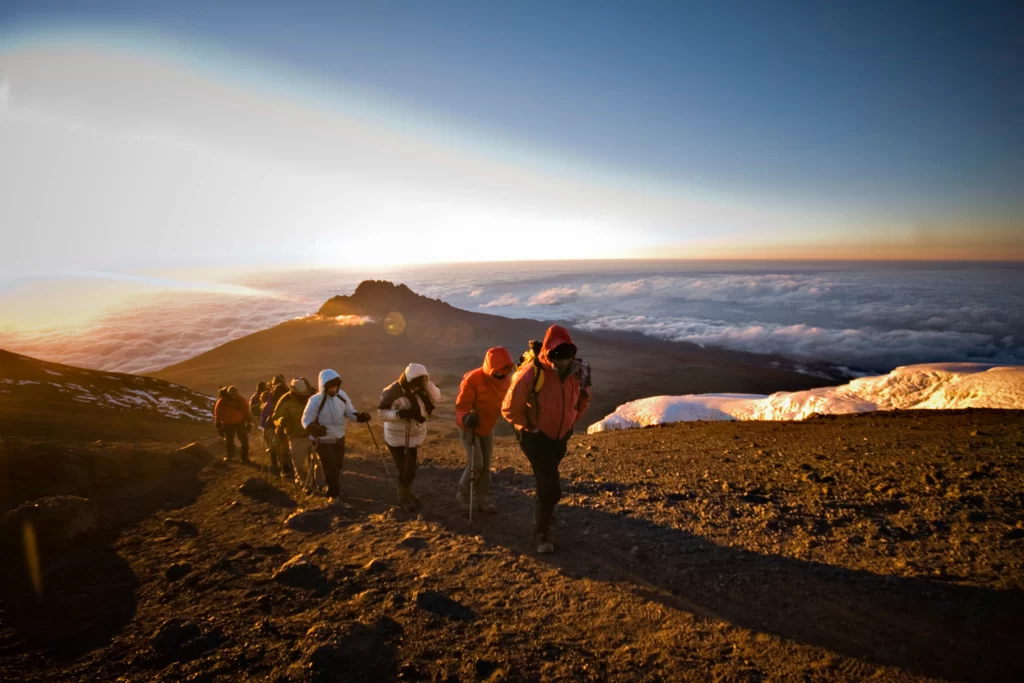
Climbing Mount Kilimanjaro is far more than a physical challenge it is a profound personal journey that tests your endurance, mindset, and preparation in equal measure. Many trekkers arrive expecting a straightforward hike, only to discover that success on the mountain depends on a combination of careful planning, patience, and the ability to adapt to rapidly changing conditions. Understanding what lies ahead before you begin can completely transform your experience, turning uncertainty into confidence and struggle into achievement.
Altitude Is the Real Challenge
One of the most surprising aspects of climbing Kilimanjaro is that the difficulty does not come from technical climbing skills, but from altitude itself. As you ascend higher each day, oxygen levels gradually decrease, and your body is forced to work harder with every step. Many climbers underestimate how strongly altitude can affect energy, appetite, and even decision-making. Without proper acclimatization, even physically fit hikers can struggle. This is why taking your time and allowing your body to adjust is essential for a safe and successful summit.
Longer Routes Greatly Increase Success Rates
The route you choose has a major impact on your overall experience and summit success. Longer itineraries such as 7–8 days or more are specifically designed to give your body the time it needs to adapt gradually to high altitude conditions. Routes like Lemosho and the Northern Circuit are especially recommended because they follow a slow, scenic ascent that significantly improves acclimatization. While shorter routes may appear convenient, they often reduce your chances of reaching the summit due to limited adjustment time.
“Pole Pole” Is Not a Joke
On Kilimanjaro, the phrase “pole pole,” meaning “slowly, slowly,” is more than just advice—it is a survival strategy. Many first-time climbers begin with enthusiasm and fast pacing, only to become exhausted or affected by altitude sickness later. Moving slowly allows your body to conserve energy, regulate breathing, and adapt more effectively to the thinning air. Guides consistently emphasize this principle because those who respect it dramatically increase their chances of reaching the summit.
Fitness Helps—But Pace Matters More
While good physical fitness can make the trek more comfortable, it is not the deciding factor for success on Kilimanjaro. Many strong and experienced athletes are surprised to find the mountain challenging due to altitude effects. What truly matters is maintaining a steady rhythm, listening to your body, and resisting the urge to rush. Consistency over speed is what carries most climbers safely to the summit.
Weather Changes Rapidly
One of Kilimanjaro’s most unique features is its rapidly changing climate zones. In a single day, you may pass through tropical rainforest, moorland, alpine desert, and eventually freezing arctic conditions near the summit. These sudden shifts mean you must be prepared for everything—from heat and humidity to strong winds and sub-zero temperatures. Proper layering and adaptable clothing are essential for comfort and safety.
Quality Gear Makes a Huge Difference
The quality of your equipment can significantly influence your comfort and overall experience on the mountain. Reliable hiking boots, insulated clothing, and a warm sleeping bag are not luxuries—they are necessities. Poor gear can lead to discomfort, fatigue, and even altitude-related complications. Investing in or renting high-quality equipment ensures you remain warm, dry, and well-supported throughout the climb.
Hydration and Nutrition Are Critical
Staying hydrated and well-nourished is essential for maintaining energy levels and supporting your body’s adaptation to altitude. Many climbers underestimate how much water they need at high elevation. Even when appetite decreases due to altitude effects, consistent hydration and balanced meals help prevent fatigue and improve overall performance during the trek.
Mental Strength Is Just as Important
The final ascent to the summit often takes place at night, in cold and physically demanding conditions. At this stage, mental resilience becomes just as important as physical endurance. Climbers who stay focused, positive, and determined are more likely to push through fatigue and reach Uhuru Peak. The journey becomes as much a mental achievement as it is a physical one.
A Professional Guide Team Changes Everything
The experience and support of your guide team can make a significant difference in your Kilimanjaro journey. Professional guides monitor your health, set the right pace, and provide encouragement when challenges arise. A well-organized team ensures safety and greatly improves your chances of a successful and enjoyable summit experience.
It’s More Than Just a Climb
Climbing Kilimanjaro is not just about reaching the summit—it is about the entire journey through diverse ecosystems, breathtaking landscapes, and moments of personal reflection. From dense forests filled with wildlife to the silent beauty of high-altitude deserts, every stage of the climb offers something memorable and transformative.
Extend Your Journey with a Tanzania Safari
After completing your Kilimanjaro climb, extending your adventure with a Tanzania safari provides the perfect continuation of your experience. Exploring world-famous parks and witnessing wildlife in their natural habitat offers a completely different but equally unforgettable perspective of Africa, making your journey truly complete.